CA addiction treatment centers offer structured programs designed to help individuals overcome alcohol and drug dependency. California has one of the largest networks of rehab facilities in the United States, giving patients access to a wide range of care options.
From short-term detox to long-term residential treatment, these centers serve people at every stage of recovery. Knowing what to look for can make the difference between finding the right fit and wasting critical time.
Key Takeaways
- California has over 1,900 licensed substance use treatment facilities, according to SAMHSA's 2023 national directory.
- Nearly 2.8 million Californians reported needing substance use treatment in 2022, per the California Health Care Foundation.
- CA addiction treatment centers offer detox, inpatient, outpatient, and medication-assisted treatment (MAT) programs.
- Many facilities accept Medi-Cal, private insurance, and sliding-scale payment options.
- Choosing the right level of care depends on substance type, medical history, and personal circumstances.
Types of Addiction Treatment Programs in California
California rehab centers operate across several levels of care. Each level addresses a different stage of addiction and a different level of clinical need. Understanding these options helps patients and families make informed decisions quickly.
Medical Detox Programs
Medical detox is usually the first step in treating physical dependence. Supervised detox manages withdrawal symptoms safely, especially for alcohol, opioids, and benzodiazepines. Without proper medical support, withdrawal from some substances can be life-threatening.
Most CA detox programs last between five and ten days. Staff monitor vitals, administer medication when needed, and prepare patients for the next phase of treatment. Detox alone is not considered a complete treatment program.
Inpatient and Residential Rehab
Inpatient rehab provides 24-hour care in a structured, substance-free environment. Patients live on-site and participate in therapy, group sessions, and wellness activities throughout the day. Programs typically run 30, 60, or 90 days depending on clinical needs.
Residential treatment works well for individuals with severe addiction, co-occurring mental health conditions, or unstable home environments. The immersive setting removes everyday triggers and allows full focus on recovery.
Outpatient Treatment Options
Outpatient programs allow patients to live at home while attending scheduled treatment sessions. Intensive Outpatient Programs (IOP) usually require 9 to 20 hours of weekly attendance. Standard outpatient care involves fewer hours and suits those stepping down from residential treatment.
Outpatient care is more affordable and more flexible than inpatient programs. It works best for individuals with a stable support system and mild to moderate addiction severity.
How to Choose the Right CA Addiction Treatment Center
Choosing a treatment center is one of the most important decisions a person in recovery will make. Several key factors should guide this process beyond location and cost alone.
Verify Licensing and Accreditation
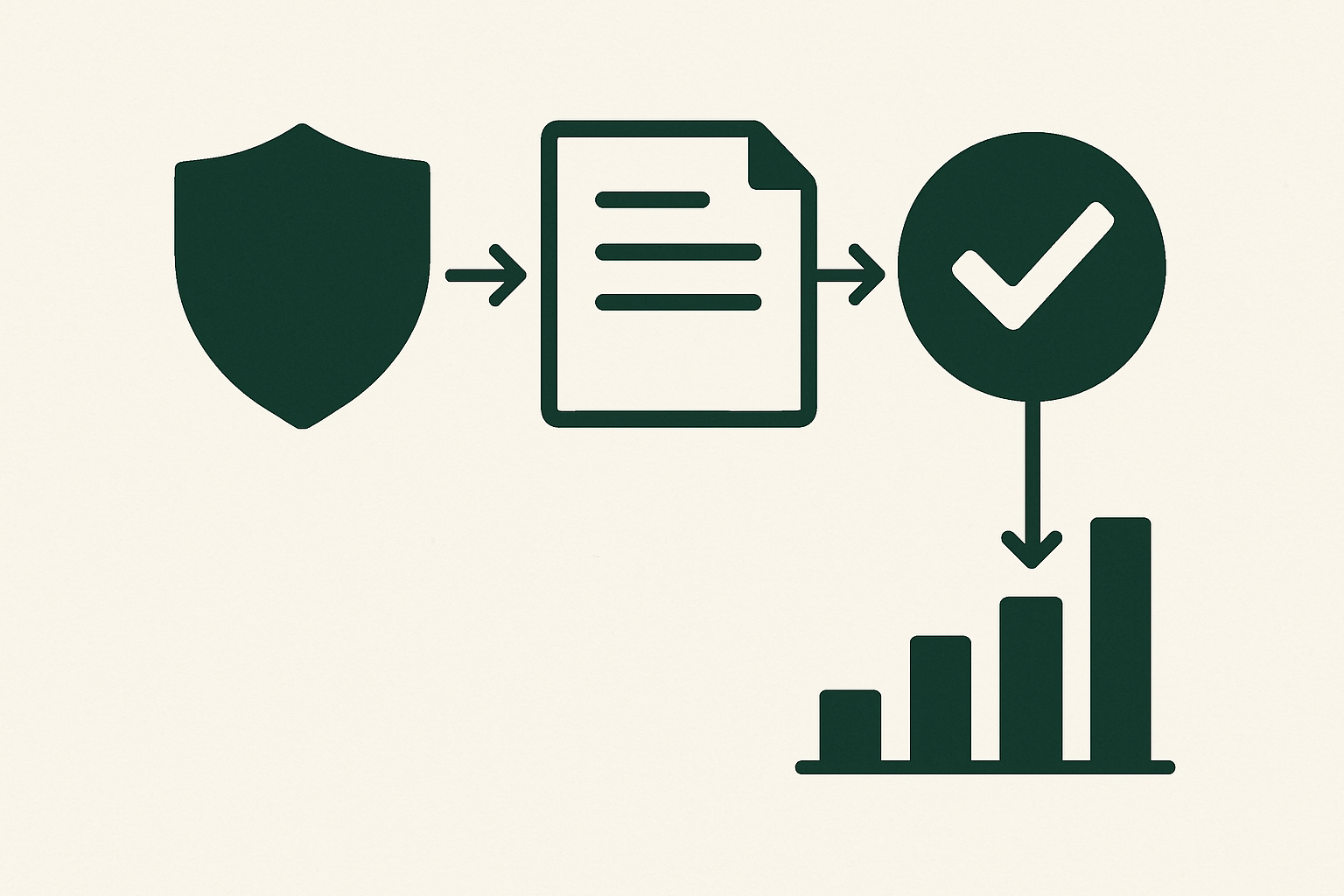
All legitimate CA addiction treatment centers must be licensed by the California Department of Health Care Services (DHCS). Accreditation from organizations like CARF or The Joint Commission signals that a facility meets national quality standards. Always confirm credentials before enrolling.
Understand the Treatment Approach
Different centers use different therapeutic models. Evidence-based approaches include cognitive behavioral therapy (CBT), dialectical behavior therapy (DBT), and medication-assisted treatment. Ask whether the program addresses co-occurring disorders like depression, anxiety, or PTSD alongside addiction.
Some centers also offer holistic options such as yoga, mindfulness, and nutrition counseling. These can complement clinical therapy but should not replace it.
Confirm Insurance and Payment Acceptance
Cost is a major barrier for many people seeking treatment. Most CA rehab centers accept private insurance, and many accept Medi-Cal for qualifying low-income residents. The Affordable Care Act requires most insurance plans to cover substance use treatment as an essential health benefit.
Contact the facility's admissions team directly to verify your specific plan. Ask about sliding-scale fees or payment plans if you are uninsured or underinsured.
Specialized Treatment Programs Available in California
Many CA addiction treatment centers offer programs tailored to specific populations. These include gender-specific programs, LGBTQ-affirming care, veteran services, and programs for pregnant women. Specialized care improves engagement and long-term outcomes by addressing unique social and clinical factors.
Dual diagnosis programs are also widely available. These treat addiction and mental health conditions simultaneously, which is critical since over 50 percent of people with substance use disorders also experience a co-occurring mental illness, according to NIDA.
What to Expect During the Admissions Process
The admissions process at most CA treatment centers begins with a phone assessment. Staff will ask about your substance use history, medical background, and insurance information. This helps them recommend the appropriate level of care before you arrive.
Most facilities can complete intake within 24 to 72 hours. Some offer same-day admissions for urgent cases. Having your insurance card, a valid ID, and any prescription medications ready will speed up the process significantly.
Frequently Asked Questions
How long does addiction treatment in California typically last?
Program length varies based on the level of care and individual progress. Detox usually lasts 5 to 10 days. Inpatient programs commonly run 30 to 90 days. Outpatient programs can continue for several months. Your treatment team will recommend a duration based on your clinical assessment and recovery goals.
Does Medi-Cal cover rehab in California?
Yes. Medi-Cal covers a range of substance use treatment services through the Drug Medi-Cal Organized Delivery System (DMC-ODS). Covered services include detox, residential rehab, outpatient programs, and medication-assisted treatment. Eligibility depends on income and residency. Contact your county's behavioral health department to confirm coverage and find approved providers.
Can I choose a treatment center outside California?
Yes, you can seek treatment in another state. Some people prefer out-of-state care for privacy, a change of environment, or access to specialized programs not available locally. However, your insurance may limit out-of-network coverage. Confirm benefits before committing to a facility in another state.
What is medication-assisted treatment (MAT)?
MAT combines FDA-approved medications with counseling to treat opioid and alcohol use disorders. Common medications include buprenorphine, methadone, and naltrexone. MAT reduces cravings and withdrawal symptoms, improving the likelihood of long-term sobriety. It is considered a gold-standard treatment for opioid use disorder by SAMHSA and major medical organizations.
Bottom Line
CA addiction treatment centers provide a broad spectrum of care options, from medical detox to long-term residential programs, helping individuals build a lasting foundation for recovery. Choosing the right facility requires evaluating accreditation, treatment approach, and insurance coverage carefully.
If you or someone you know is exploring rehab options, newjerseys.rehab offers practical guidance on finding alcohol and drug treatment programs, understanding levels of care, and navigating insurance, especially for those seeking services throughout New Jersey.
References
- Substance Abuse and Mental Health Services Administration. (2023). National directory of drug and alcohol abuse treatment facilities. https://www.samhsa.gov
- California Health Care Foundation. (2022). Substance use in California: A look at addiction and treatment. California Health Care Foundation.
- National Institute on Drug Abuse. (2023). Co-occurring disorders and other health consequences. https://www.drugabuse.gov
- California Department of Health Care Services. (2023). Drug Medi-Cal organized delivery system. https://www.dhcs.ca.gov
- Substance Abuse and Mental Health Services Administration. (2023). Medication-assisted treatment for opioid use disorder. https://www.samhsa.gov