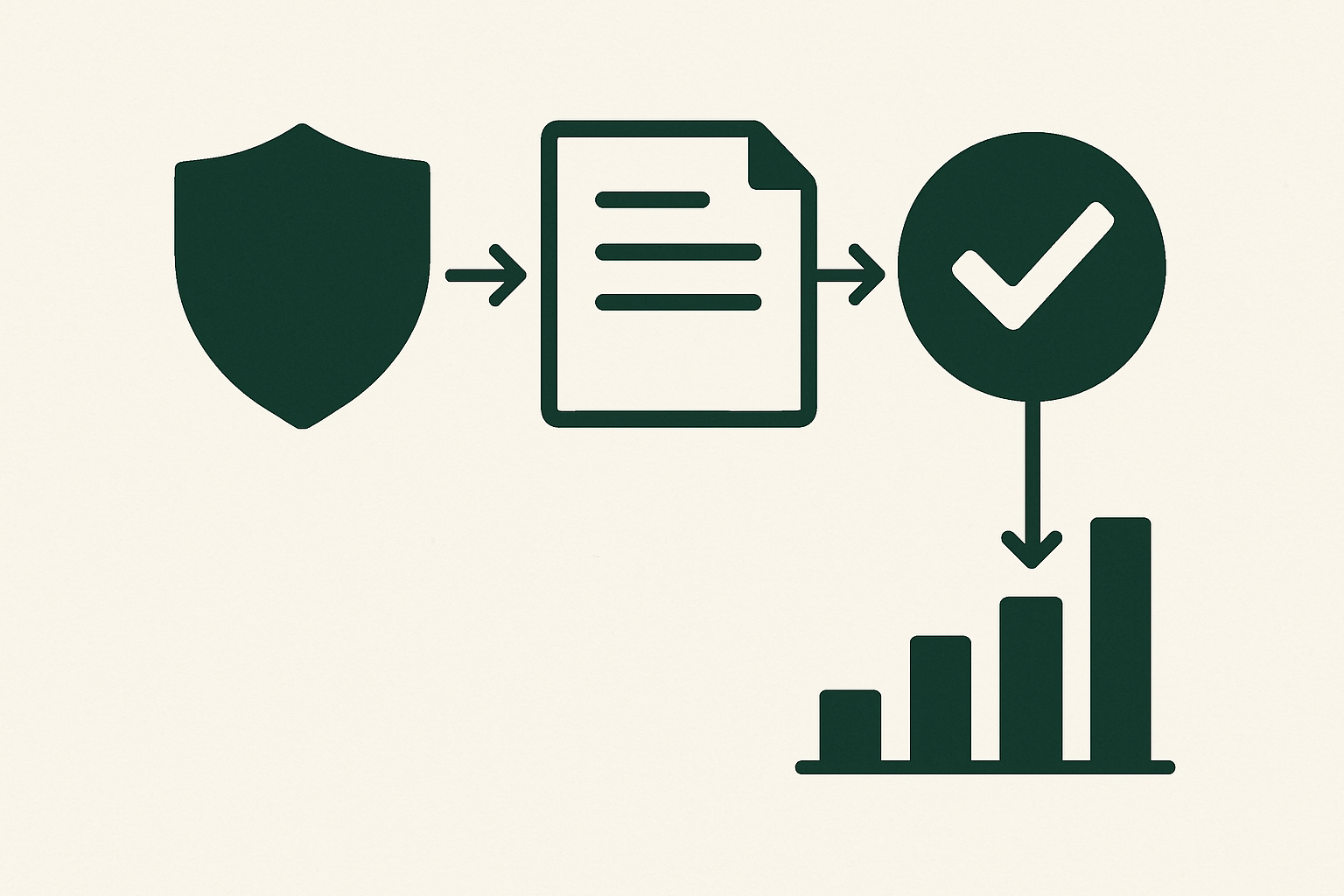
Medicaid-accepting rehab facilities provide essential addiction treatment services to individuals with limited financial resources. These facilities bridge the gap between necessary care and affordability, ensuring that substance abuse treatment remains accessible regardless of economic status.
Finding the right facility involves understanding Medicaid coverage policies and identifying providers within your network. Many state-funded and nonprofit treatment centers specifically cater to Medicaid recipients, offering comprehensive recovery programs.
The search process requires knowing your specific Medicaid plan type and approved provider networks. Different facilities offer varying levels of care, from outpatient counseling to residential treatment programs.
Key Takeaways
- Medicaid covers substance abuse treatment in all 50 states as an essential health benefit under the Affordable Care Act
- Approximately 40% of Medicaid beneficiaries have a substance use disorder, according to the Kaiser Family Foundation
- Most Medicaid plans require prior authorization for inpatient rehab but cover outpatient services with minimal restrictions
- Community health centers and federally qualified health centers (FQHCs) commonly accept Medicaid for addiction treatment
- State Medicaid programs must cover at least one medication-assisted treatment option for opioid use disorders
Understanding Medicaid Coverage for Addiction Treatment
Medicaid provides comprehensive substance abuse treatment coverage as a mandatory benefit. Coverage includes detoxification services, outpatient counseling, medication-assisted treatment, and residential rehabilitation programs. The scope varies by state, but all programs must meet federal minimum requirements.
Prior authorization requirements typically apply to higher levels of care. Inpatient treatment often requires medical necessity documentation and approval before admission. Outpatient services generally have fewer restrictions and immediate access options.
Types of Covered Services
Medicaid covers individual and group therapy sessions, psychiatric evaluations, and medication management. Intensive outpatient programs (IOPs) and partial hospitalization programs receive coverage with appropriate medical justification. Family therapy and case management services are included in most state plans.
Medication-assisted treatment for opioid addiction receives strong coverage support. Methadone, buprenorphine, and naltrexone prescriptions are covered with minimal copayments. Many states have removed prior authorization barriers for these critical medications.
Finding Medicaid-Accepting Facilities
Start your search using your state's Medicaid provider directory or website. These official resources list approved treatment facilities and their specialties. Contact facilities directly to confirm current Medicaid acceptance and availability.
Community health centers serve as excellent starting points for Medicaid recipients. These federally funded facilities maintain sliding fee scales and accept various Medicaid plans. Many offer integrated behavioral health and primary care services.
Online Resources and Directories
SAMHSA's treatment locator provides filtered searches for Medicaid-accepting facilities nationwide. State health department websites maintain updated provider lists with contact information and services offered. Insurance company websites include provider directories specific to your plan.
Local 211 services offer personalized assistance connecting individuals with appropriate treatment resources. These free services help navigate insurance requirements and facility options within your area.
Eligibility and Enrollment Requirements
Medicaid eligibility depends on income levels, family size, and state expansion status. Most states have expanded eligibility to include adults earning up to 138% of the federal poverty level. Non-expansion states maintain more restrictive income requirements.
Emergency Medicaid provides temporary coverage for individuals requiring immediate treatment. This coverage allows stabilization and detoxification while regular Medicaid applications process. Documentation requirements vary by state and situation.
Application Process
Apply through your state's Medicaid office or healthcare marketplace. Required documents include proof of income, residency, and citizenship or legal status. Some states offer presumptive eligibility for individuals entering treatment facilities.
Hospital financial counselors can assist with emergency applications during crisis situations. Many treatment facilities employ staff specifically trained in Medicaid enrollment and benefits navigation.
Quality Considerations for Medicaid Facilities
Accreditation status indicates facility quality and compliance with national standards. Look for Joint Commission, CARF, or state licensing credentials when evaluating options. These certifications ensure evidence-based treatment approaches and proper staff qualifications.
Treatment philosophy and approach should align with individual needs and preferences. Some facilities specialize in specific populations or treatment modalities. Research staff credentials, success rates, and aftercare planning services.
Program Components
Comprehensive programs include medical assessment, individual counseling, group therapy, and family involvement components. Dual diagnosis capabilities are essential for individuals with co-occurring mental health conditions. Aftercare planning and alumni support enhance long-term recovery outcomes.
Frequently Asked Questions
Does Medicaid cover residential rehab treatment?
Yes, Medicaid covers residential treatment when medically necessary. Prior authorization is typically required, and stays are usually limited to 30-90 days initially. Extensions may be approved based on clinical need and progress assessments.
Can I choose any rehab facility that accepts Medicaid?
You must select facilities within your Medicaid plan's provider network. Out-of-network facilities may require higher copayments or full payment. Emergency situations may provide exceptions to network requirements in some states.
What happens if my Medicaid application is pending during treatment?
Many facilities offer charity care or payment plans while applications process. Emergency Medicaid may provide temporary coverage for urgent situations. Hospital-based programs often continue treatment regardless of payment status during emergencies.
Are there waiting lists for Medicaid rehab facilities?
Waiting times vary significantly by location and facility capacity. Outpatient programs typically have shorter wait times than residential options. Crisis intervention and detoxification services usually provide immediate access when medically necessary.
Bottom Line
Medicaid-accepting rehab facilities provide vital addiction treatment access for individuals with limited financial resources, covering essential services from detox to ongoing therapy.
For New Jersey residents seeking local treatment options, newjerseys.rehab offers comprehensive facility listings and guidance on navigating insurance coverage, helping you find appropriate care within your community and budget.
References
- Centers for Medicare & Medicaid Services. (2023). Medicaid and substance use disorders. https://www.cms.gov
- Kaiser Family Foundation. (2022). Medicaid and substance use disorders: How states are expanding access to treatment.
- Substance Abuse and Mental Health Services Administration. (2023). Treatment locator database. https://www.samhsa.gov
- National Institute on Drug Abuse. (2022). Insurance coverage and costs of substance abuse treatment.